If your jaw feels uneven, tight, or different when you close your mouth, you may wonder whether a mouthguard could help. People sometimes search for a “jaw alignment mouthguard,” but different dental appliances serve different purposes, and an ordinary night guard should not automatically be expected to reposition the jaw. The general dentists at Dr. T Dental Studio provide TMJ assessment and therapy in North York and can evaluate your teeth, bite, jaw movement, and symptoms before discussing whether an oral appliance may be appropriate.
What Does It Mean When Your Jaw Feels Out of Alignment?
Patients can describe jaw or bite changes in several ways, including feeling that the teeth no longer meet evenly, experiencing tightness when opening or closing, noticing clicking or popping, or feeling discomfort while chewing. These sensations can be associated with the jaw joints, surrounding muscles, clenching or grinding, the bite, or other dental factors. Because different problems can feel similar, the sensation of being “out of alignment” does not identify the cause by itself.

Can Grinding and Clenching Affect How Your Jaw Feels?
Grinding and clenching can place repeated pressure on the teeth and jaw muscles, particularly during sleep. Some patients wake with jaw tightness, headaches, facial muscle fatigue, or tenderness around the joints. Teeth may also show signs of wear or chipping. Dr. T Dental Studio’s TMJ Therapy service includes assessment of factors that may contribute to jaw discomfort.
What Does a Night Guard Do?
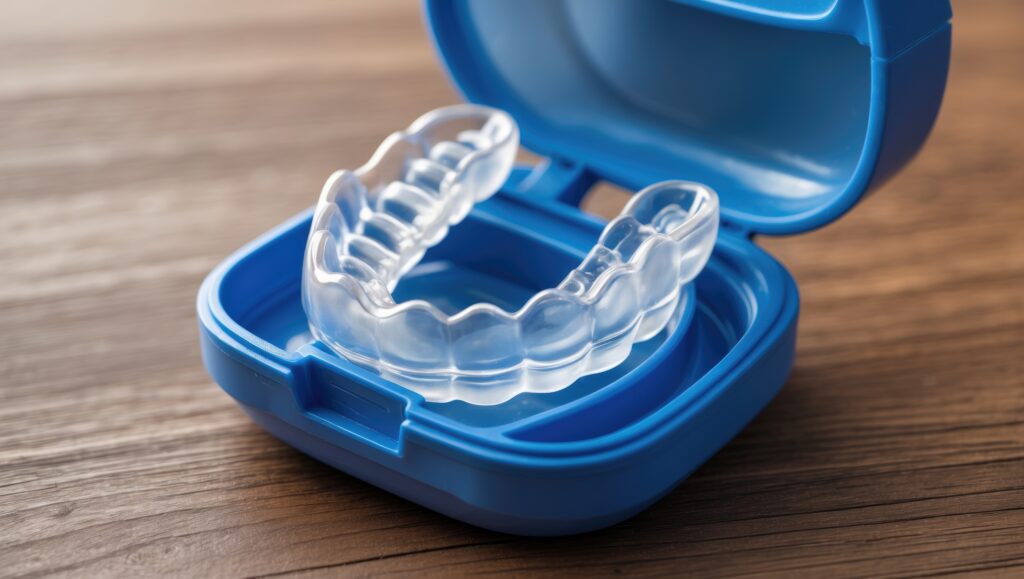
A night guard is worn over the teeth and may be considered when grinding or clenching is contributing to tooth wear or other concerns. Its role can include creating a protective barrier between the upper and lower teeth and helping manage forces placed on them during sleep. Dr. T Dental Studio provides custom mouthguards for patients whose individual dental needs make an appliance appropriate.
Does a Mouthguard Actually Realign Your Jaw?
Not every mouthguard is intended to reposition the jaw. A protective night guard for grinding, a TMJ-related oral appliance, and an appliance designed for a sleep-related breathing condition can have different designs and purposes. For this reason, choosing a guard simply because your jaw feels misaligned may not address the underlying issue. An examination can help determine what is contributing to the symptoms and whether an appliance should be part of the management plan.
Your Bite Is Only One Part of the Assessment
When evaluating jaw discomfort, the dentist may consider how the teeth meet, jaw movement, muscle tenderness, signs of grinding, existing restorations, tooth wear, and the symptoms you have noticed. A broader assessment is more useful than assuming that every jaw symptom comes from bite alignment alone.
When Might a Custom Appliance Be Discussed?
A custom appliance may be considered when a dental assessment suggests that clenching, grinding, or certain jaw-related concerns could benefit from conservative management. The design of the appliance should reflect its intended purpose and the patient’s individual mouth. Custom mouthguards are created using information about the patient’s teeth and dental arch rather than relying on a one-size-fits-all design.
What if Your Jaw Clicks or Pops?
Clicking or popping can occur when the jaw moves and does not always mean that treatment is required. It becomes more important to mention if it is accompanied by pain, limited movement, locking, changes in chewing, or worsening symptoms. The dentist can assess the jaw rather than determining treatment solely from the presence of a sound.
Do Not Ignore a New Change in Your Bite
If your teeth suddenly seem to meet differently, your jaw becomes difficult to open, or discomfort is becoming more persistent, arrange an assessment. Changes in the bite can have several possible causes, including dental and jaw-related factors, and the appropriate treatment depends on what is found during the examination. Regular dental checkups can also help identify tooth wear and other changes associated with grinding or clenching.
Considering a Mouthguard for Jaw Alignment in North York?
If your jaw feels out of alignment, a mouthguard may or may not be the appropriate next step. Understanding whether the concern involves clenching, grinding, the jaw joints, muscle tension, the bite, or another dental issue should come first. The general dentists at Dr. T Dental Studio can assess your symptoms and discuss options based on the findings. Contact Dr. T Dental Studio to arrange an appointment.