Losing a tooth can affect more than the appearance of your smile. Depending on its location, a missing tooth may also affect chewing, speech, and the way surrounding teeth fit together. Fortunately, several treatment options may be available. Dental implants, bridges, and removable appliances can help restore different aspects of dental function, depending on your oral health and individual needs. For patients looking for a dentist in Downsview or North York, understanding these options is a useful first step toward making an informed decision about replacing a missing tooth.
Why Consider Replacing a Missing Tooth?
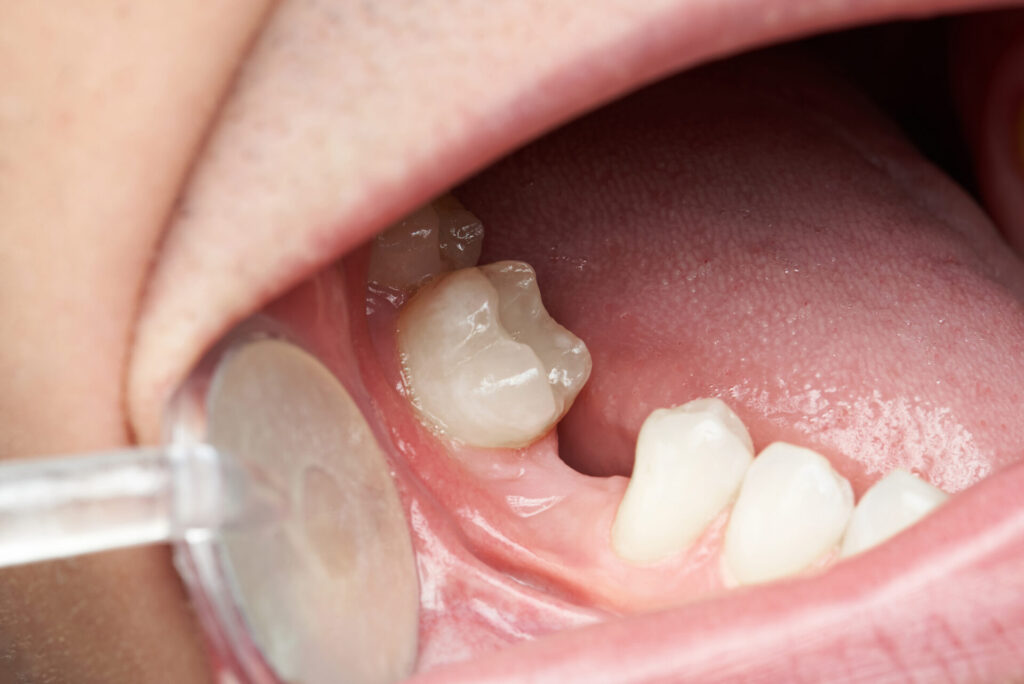
A missing tooth can affect how your teeth meet when you bite and how effectively you chew certain foods. Depending on the circumstances, surrounding teeth may also shift over time. Replacing a missing tooth may help restore chewing function, improve appearance, and maintain a more functional bite. However, the most appropriate approach depends on factors such as the location of the missing tooth, the condition of surrounding teeth, and your overall oral health. A dental examination can help determine whether replacement is recommended and which options may be suitable for your situation.
Dental Implants: A Replacement Root and Tooth
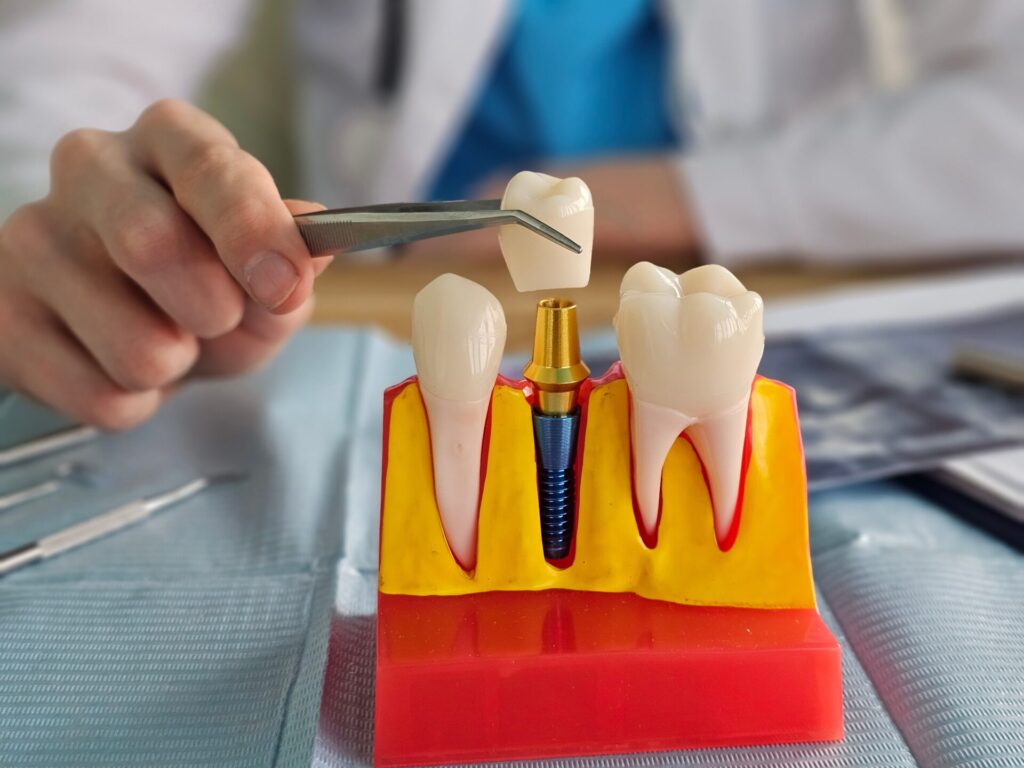
A dental implant is placed in the jawbone to serve as a foundation for a replacement tooth. Once the implant has integrated with the surrounding bone and the treatment plan allows, a restoration such as a crown can be attached. Dental implants may offer several advantages. They can replace an individual missing tooth without relying on neighbouring teeth for support, and they are designed to restore chewing function and appearance. With appropriate care and maintenance, implants can be a long-term tooth replacement option. Not everyone is an immediate candidate for an implant. Bone volume, gum health, medical history, and other factors can influence treatment planning. Your dentist can assess these considerations and explain whether an implant may be appropriate.
Dental Bridges: Using Neighbouring Teeth for Support
A dental bridge replaces a missing tooth by placing an artificial tooth in the gap and supporting it with neighbouring teeth or other suitable structures, depending on the bridge design. A bridge may be an option for patients who want a fixed replacement but are not pursuing an implant, or for whom another approach is more appropriate. The advantages and limitations depend on the specific situation. Some conventional bridges require preparation of the supporting teeth, which is an important consideration when comparing treatment options. Your dentist can explain the design, expected maintenance, and suitability of a bridge based on your individual needs.
Removable Tooth Replacement Options
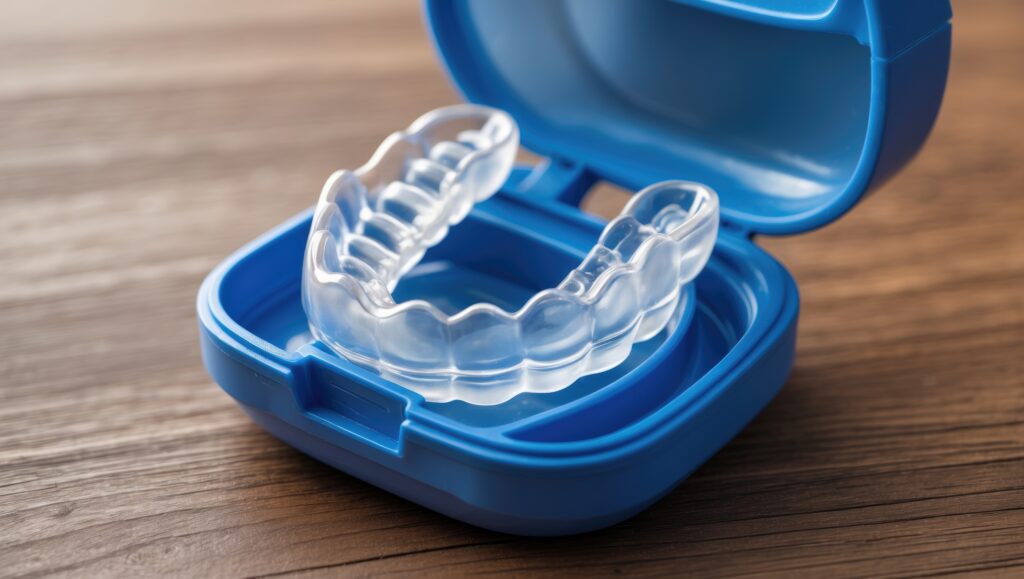
In some situations, a removable partial denture may be appropriate for replacing one or more missing teeth. These appliances can be taken out for cleaning and may provide an alternative when a fixed restoration is not preferred or suitable. Factors such as comfort, stability, maintenance, appearance, and the number of missing teeth can influence whether a removable appliance is a good option. Discussing these considerations with your dentist can help you understand the practical differences between removable and fixed replacements.
How Do You Choose the Right Option?
There is no single tooth replacement solution that works best for every patient. Your dentist will consider your oral health, the location of the missing tooth, and your preferences before recommending treatment.
Important considerations include:
- Oral health: The condition of your gums, surrounding teeth, and jawbone can influence which treatments are appropriate.
- Treatment preferences: Some patients prefer a fixed replacement, while others may consider a removable option.
- Treatment time: Different procedures involve different timelines, appointments, and healing periods.
- Maintenance: Implants, bridges, and removable appliances have different cleaning and maintenance requirements.
- Cost and coverage: Treatment costs and insurance benefits vary, so understanding the expected expenses can help you plan.
An examination and appropriate diagnostic imaging may be needed before a recommendation can be made. The goal is to identify an option that addresses your dental needs while taking your preferences and long-term oral health into account.
What Should You Expect During a Consultation?
A tooth replacement consultation typically begins with a review of your dental history and an examination of your mouth. Your dentist may assess the missing tooth site, surrounding teeth, gum health, and bite. Depending on your circumstances, diagnostic imaging may also be recommended. Once the available options have been evaluated, your dentist can explain the proposed treatment, expected stages, estimated costs, and any preparation or follow-up care involved. At Dr. T Dental Studio, the practice emphasizes personalized treatment planning and helping patients understand their options. Patients can learn more about the office through its new-patient information page.
How Can You Maintain Your Replacement Tooth?
Regardless of the replacement method, maintaining good oral hygiene and attending recommended dental visits are important. Dental implants, bridges, and removable appliances have different maintenance requirements. Your care routine may involve brushing twice daily with fluoride toothpaste, cleaning between teeth and around restorations as instructed, and following any specific cleaning recommendations for your appliance. Your dentist can provide guidance tailored to your treatment. Contact your dental office if a restoration becomes loose, uncomfortable, or damaged so the issue can be assessed.

Explore Your Tooth Replacement Options
A missing tooth does not mean you have to navigate your treatment options alone. Understanding the differences between implants, bridges, and removable appliances can help you prepare for a productive discussion with your dentist. Dr. T Dental Studio provides dental care in Downsview, North York. If you are considering replacing a missing tooth, contact the practice to discuss your concerns and arrange an assessment. Learn more about the practice or get in touch through the Dr. T Dental Studio website.
Treatment recommendations depend on an individual’s oral health, clinical examination, and diagnostic findings. Not every tooth replacement option is suitable for every patient.